
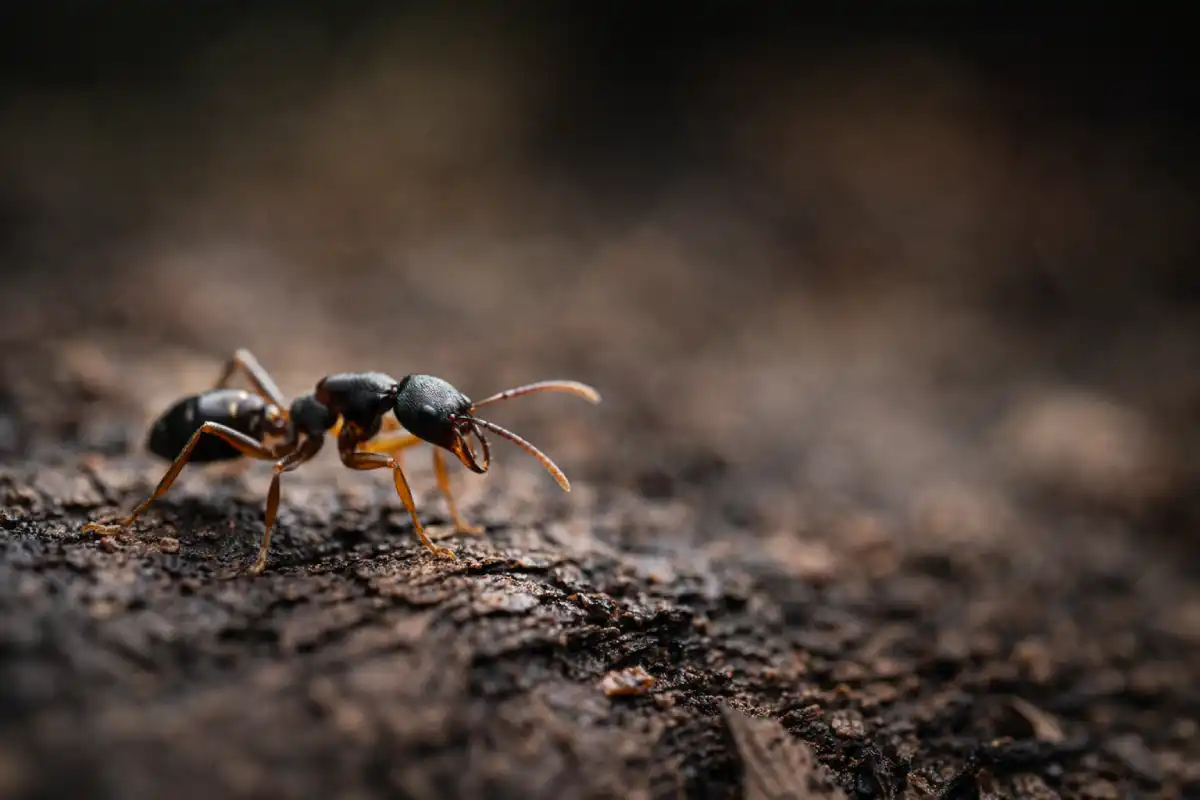
I keep calling it the “ASEAN needle ant” in my head… because it sounds like a regional conference.
But the real name is the Asian needle ant (Brachyponera chinensis), and it’s a genuinely interesting little creature with a sting that can be medically serious for some people.
Quick intro: what is it?
- Common name: Asian needle ant
- Scientific name: Brachyponera chinensis
- Why “needle”? It can sting, and people describe it as sharp/painful.
Important: Ant identification is tricky. This post is “fast facts”, not a lab diagnosis.
Why it’s easy to miss
Most ants feel obvious because they form loud trails. This one is often described as more “sneaky”.
- It may forage with less obvious trails (so you don’t notice a “highway”).
- It likes hiding spots: leaf litter, logs, stones, and damp shaded areas.
- It can show up near homes under mulch, firewood piles, or garden materials.
Why it matters (two reasons)
1) The sting
For many people, a sting is “just painful”. For some people, it can trigger severe allergic reactions. If someone shows signs of a serious reaction (trouble breathing, swelling of face/lips, dizziness), treat it as an emergency and get medical help immediately.
2) Ecosystem impact
In places where it’s introduced, researchers have raised concerns about it displacing native ants, which can affect ecosystems (including seed dispersal relationships).
5 fun facts (the shareable part)
- It’s a “small problem” type of insect: easy to ignore, but not always harmless.
- It prefers the quiet, shaded, damp vibe, not the spotlight.
- It’s often found under stuff humans stack: wood, mulch, stones.
- It’s a reminder that “not aggressive” doesn’t mean “no risk.”
- If your brain keeps saying “ASEAN needle ant”… you’re not alone.
What to do (simple, non-paranoid)
- If you’re moving logs / firewood / garden debris: wear gloves.
- Keep firewood a bit off the ground if possible.
- If you think you found one: take a clear photo and ask local experts/extension office for ID.
Sources & further reading
- NC State Extension — Asian needle ant
- University of Georgia — overview & habitat notes
- USDA Forest Service — Asian Needle Ant (PDF)
- Scientific American — sting & anaphylaxis discussion
Support Independent Work
If my work or articles help you, you can support my independent work here.
Support